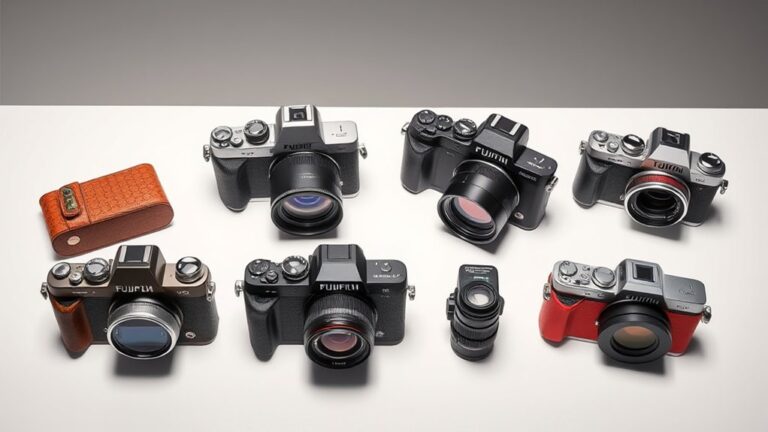
If you want to take clear, detailed photos of the night sky, choosing the right DSLR camera is important. In 2025, the best models have high sensitivity, big sensors, and smart autofocus.
These features help you capture stars and planets better. But with many options, it can be hard to pick the right camera.
Keep reading to see the top three DSLR cameras for capturing stunning starry photos. One of these could be your perfect camera for night sky photography.
Kodak PIXPRO Astro Zoom AZ528-BK Digital Camera

- 52x Optical Zoom - 24mm Wide Angle Lens
- 16 MegaPixel CMOS Sensor - 6 frames per second Burst Shooting - 1080P Full HD Video - Vlogging Camera
- Wi-Fi Connection with the ability to Wirelessly Control with iOS or Android Devices

Are you looking for an affordable camera to take photos of the night sky? The Kodak PIXPRO Astro Zoom AZ528-BK is a good choice. It has a powerful 52x optical zoom and a wide 24mm lens. This helps you get close-up shots of stars, the moon, and other distant objects.
The camera has a 16 MP CMOS sensor. This means it can take clear, detailed pictures. You can also shoot videos in 1080p HD quality, making your night sky videos look bright and sharp. The camera connects to Wi-Fi. This lets you control it with your phone and share your photos easily.
The AZ528-BK is small and light. You can carry it with you on camping trips or night walks. It has a bright LCD screen to help you frame your shots, even if it doesn’t have a viewfinder.
This camera is good for beginners and people on a budget. It works well for wildlife, macro shots, and astrophotography.
Pros:
- Long 52x zoom lens for distant images
- Small and light to carry
- Wi-Fi allows easy sharing and remote control
- Takes sharp pictures and videos
Cons:
- No viewfinder, so framing shots can be tricky in bright sunlight
- Autofocus at maximum zoom can be slow and sometimes blurry
- Uses SD cards up to 32GB; no extra accessories included
Celestron NexImage 10 Solar System Imager

- THE BEST WAY TO GET STARTED WITH ASTROIMAGING: Capture amazing images of the Moon, Jupiter, Saturn, Mars, and more with this easy-to-use, plug-and-play...
- 10.7 MP COLOR IMAGING SENSOR: Enjoy sharp, detailed images thanks to the sensor’s ON Semiconductor technology which dramatically reduces image noise. Small...
- INCLUDES SOPHISTICATED CAMERA CONTROL AND STACKING SOFTWARE: View and capture live video on your computer, stack the sharpest frames for the best image, and...
The Celestron NexImage 10 Solar System Imager is a great choice for beginners who want to take clear pictures of the Moon and planets. It has a 10.7 MP color sensor that captures sharp images with less noise. Thanks to ON Semiconductor technology, your photos will look clear and rich in details. The included software makes it easy to see, capture, and process your images. You can do live video, stack multiple shots, and make manual adjustments easily. The imager has a sturdy aluminum body that fits most telescopes with standard eyepieces. It also has an IR-cut window to keep colors accurate. With a 2-year warranty and support in the US, you can enjoy your planetary imaging with confidence.
Best For: Beginners who want a simple, high-quality tool to capture the Moon and planets.
Pros:
- Sharp 10.7 MP color images with less noise.
- Easy-to-use software for live viewing and capturing photos.
- Durable aluminum body and compatible with many telescopes and filters.
Cons:
- You might need a good telescope for detailed planetary images.
- Advanced users may find the features a bit basic.
- It works best for the Moon and planets, not for deep-sky images.
This imager is perfect if you want a simple device that produces clear, detailed pictures of the planets. Its easy software makes it perfect for new astrophotographers. Just connect it to your telescope, and you’re ready to start exploring the night sky.
Kodak PIXPRO AZ425 Digital Camera Bundle with 32GB Card & Bag

- INCLUDED - Kodak PIXPRO AZ425 camera, rechargeable Li-Ion battery, AC adapter, USB cable, neck strap, lens cap, quick start guide, 32GB SD card, and camera bag...
- SUPERB IMAGE QUALITY - Capture stunning 20MP photos with a 1/2.3" BSI CMOS sensor, ensuring clarity and detail in every shot, even in low-light conditions....
- INCREDIBLE ZOOM RANGE - Get closer to the action with a powerful 42x optical zoom lens (24-1008mm equivalent), ideal for sports, wildlife, and travel...
If you want a camera that’s good for taking pictures of faraway landscapes and busy city scenes, the Kodak PIXPRO AZ425 Digital Camera Bundle is a great pick. It has a 20-megapixel CMOS sensor that makes clear and detailed photos. The camera also has a powerful 42x optical zoom, so you can get close-up shots even of distant objects. It comes with a wide 24mm lens that helps capture big scenes, like wide landscapes.
The camera records videos in Full HD 1080p, which means high-quality videos. It has a 3-inch LCD screen so you can see your pictures clearly before saving. This bundle includes a 32-gigabyte memory card and a stylish bag. These extras make it easier to carry the camera and store your photos, especially when you travel or go outdoors.
Some users mention that the battery life may not last very long if you use the camera a lot. You might need to bring extra batteries or use your camera carefully. Others have said that after lots of use or when batteries get old, the pictures might turn out blurry. The camera is easy to use and has simple features, but it does lack some advanced controls found in more expensive cameras like DSLRs or mirrorless models.
This camera is best for people who love to take photos of big views, city streets, or close-up details. It’s simple to operate and portable, making it a good choice for travel and outdoor adventures.
Factors to Consider When Choosing DSLR Astrophotography Cameras 2025
When picking a DSLR camera for astrophotography in 2025, there are a few key things to think about. First, look at the sensor size and sensitivity. A bigger, more sensitive sensor helps you take clearer pictures in low light. Then, check if the camera works well with different lenses. Good lenses let you capture more detail in the night sky. Also, see if the camera has features like image stabilization and precise autofocus. These help keep your shots sharp and clear. Thinking about these points will help you find a camera that works well for taking great pictures of the stars.
Sensor Sensitivity and Size
Choosing the right DSLR for astrophotography depends a lot on the sensor size and sensitivity. Bigger sensors, like APS-C or full-frame, can catch more light. This helps make clearer pictures with less noise, especially for faint stars or deep-sky objects.
Sensor sensitivity, shown by ISO, tells you how good the camera is at detecting low light. Higher ISO helps you see more details in dark scenes, but too high can cause grainy images. Pixel size also matters. Big pixels can collect more light, which improves image quality in dim conditions.
Another important factor is how well the sensor turns light into signals. This is called quantum efficiency. A sensor with high efficiency makes better use of available photons. Sensors that have low readout noise and good dynamic range help keep details in bright and dark areas of your photos.
Matching your camera’s sensor features to your needs gives you the best results in astrophotography. It helps you get clearer, more detailed pictures of the night sky.
Lens Compatibility Options
Choosing a DSLR for astrophotography means making sure the camera works well with different lenses. First, check if your camera has a mount like Canon EF or Nikon F. This lets you use many different lenses, which is important for taking good pictures of the night sky. Look for lenses made for astrophotography, like wide-angle or telephoto lenses. These help reduce problems like chromatic aberration, which can make your pictures blurry or blurry-colored. You can also choose third-party lenses made for low-light or long-exposure shots to get better images. Make sure your system allows manual focus lenses too. This gives you control to focus precisely on stars, planets, or the moon. Lastly, think about the lens size and opening. Bigger apertures let in more light, helping you capture clear pictures of wide sky scenes or close-up planets.
Low-Light Performance
Have you ever wondered what helps a DSLR camera take good pictures in low light, like when taking photos of stars? The main thing is how well it can detect faint light from the sky. Increasing the ISO makes the camera’s sensor more sensitive. This helps you see dim objects better. But, a higher ISO can also make the picture look grainy or noisy. Cameras with bigger sensors, like full-frame or APS-C, do a better job in dark conditions. They catch more light and show less noise. Some cameras have special tech to reduce noise, which makes your photos clearer, especially during long exposures. Sensors with larger pixels also gather more light, making the images brighter and more detailed. Autofocus isn’t used much for deep-sky photos, but having a quick, accurate focus system can help when photographing bright objects. Still, most people prefer to focus manually for better control in low light.
Autofocus Precision
Since astrophotography means taking pictures of faint stars, planets, and space objects, your camera needs really good autofocus. Look for cameras with sensors that can easily find contrast or phase differences in low light. These sensors help the camera lock onto tiny, dim objects like stars and nebulae. Features like manual focus control, focus peaking, and fine adjustments help you get a sharp focus. Special autofocus modes for stars and low light make it easier to keep the focus steady on celestial objects. Cameras with larger focusing points or cross-type sensors are better because they help find sharp focus on small, faraway objects. Speed is also important. A good autofocus system quickly finds focus without hunting, so you can capture fleeting moments in the dark sky.
Image Stabilization Features
Image stabilization helps you take clearer pictures in astrophotography. It reduces blur caused by hand shakes or vibrations when taking long photos of the night sky. There are two main types: in-body stabilization (IBIS) and lens-based stabilization (OIS). IBIS stabilizes the camera sensor, while OIS stabilizes the lens elements. Good stabilization allows you to use slower shutter speeds and still get sharp images. It is measured in “stops,” which show how much the system can reduce movement. Keep in mind, stabilization helps with camera shake, but it does not correct for tracking errors or movements in your telescope. For better night sky photos, choose a camera with strong stabilization features. It helps you capture clearer and more detailed images of stars and celestial objects.
Last update on 2025-12-24 / Affiliate links / Images from Amazon Product Advertising API. Some of the links on this website are affiliate links, which means that at no additional cost to you, I earn a commission if you click through and make a purchase. I only recommend products and services that I believe will add value to my readers. Thank you for your support!