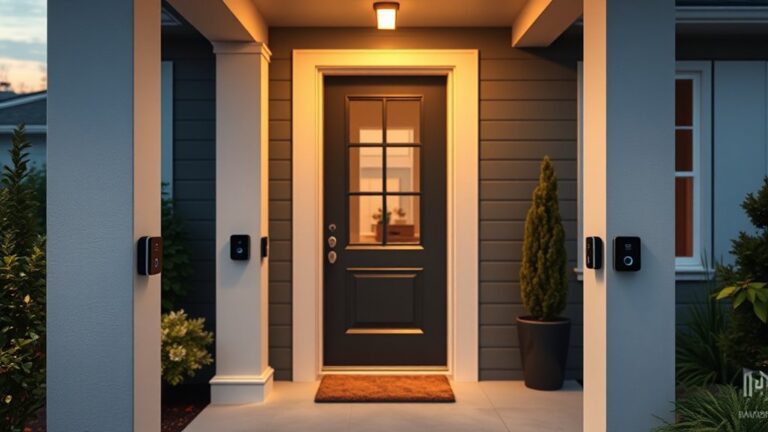
If you own a ground-floor home, you know vulnerabilities are all too real. That’s where smart window sensors come in—they alert you instantly if someone tries to pry or force open a window. Today’s models combine easy installation, wireless setup, and smart integrations with platforms like Alexa or Google Home, making them both reliable and user-friendly. But with so many options, choosing the right one can get complex. Curious which sensors stand out and how they protect your space from potential intruders?
Saker Smart 2K Window Security Camera Plus (2026)

- 🌙【Ultra-HD 3MP Video&Color Night Vision】Capture sharp, clear video day or night with high-resolution...
- 📲【Smart Motion Alerts&Instant Notifications 】Get real-time alerts on your phone when motion is...
- 🔒【Flexible 24/7 Recording&Secure Storage Options】Record continuously around the clock, with SD card...
Last update on 2026-04-27 / Affiliate links / Images from Amazon Product Advertising API.
Looking for a smart window sensor that is easy to use and helps keep your home safe? The Saker Smart 2K Window Security Camera Plus (2026) is a great choice. It has a clear 3MP sensor that shows sharp and detailed videos. You can see everything happening outside your window clearly. At night, its color night vision helps you see in the dark so you know what’s going on outside, even when it’s completely dark.
The camera also has smart motion alerts. It sends a message to your phone right away if it detects movement. So, you will know if someone is outside, no matter where you are. Installing the camera is simple. It uses a peel-and-stick mount and connects to your phone via Bluetooth. This makes it perfect for people who want quick, easy security without needing tools or technical skills.
Best for: homeowners, renters, or anyone who wants a simple, high-resolution camera on their window with smart alerts.
Pros:
- Clear 3MP videos show every detail
- Night vision with color helps you see in dark places
- Easy to install with sticky mount and Bluetooth
Cons:
- Fits only on windows, so it might not work in other spots
- Needs Wi-Fi to send alerts and show videos remotely
- Extra cost may apply for cloud storage
If you want an easy-to-use window camera that catches everything clearly, the Saker Smart 2K Window Security Camera Plus (2026) is a smart pick.
Window Alarm System 4-Pack with 120dB Alarms and Vibration Sensors

- Specialized Window Alarm System: This window alarm is specifically designed to offer security to glass windows...
- Advanced Glass Vibration Sensor: The product comes with a built-in vibration sensor and provides high/low...
- Powerful 120 dB Alarm: Upon detecting vibration, the window security alarms emit a loud 120 decibel alarm that...
Last update on 2026-04-26 / Affiliate links / Images from Amazon Product Advertising API.
The Window Alarm System 4-Pack is a simple way to keep your ground-floor windows safe. Each sensor has a loud 120dB alarm and a vibration sensor. They are made for glass windows and doors, like in homes, garages, or dorm rooms. When someone tries to open or break the glass, the sensors detect the vibration. They can be set to low or high sensitivity, so they don’t go off by mistake from wind or small bumps.
When the sensor detects movement, it sounds the alarm loudly for a full minute. It also flashes a light and shows warning stickers saying “stay away.” You can easily put the sensors on your windows because they peel off and stick on, no tools needed. This makes installation quick and simple.
Ideal For: anyone who wants an easy way to protect ground-floor windows. Perfect for homeowners, renters, or property managers.
Pros:
- Easy to stick on glass surfaces
- Sensitivity can be adjusted to prevent false alarms
- Very loud alarm to scare off intruders and alert you
Cons:
- Need two AAA batteries (not included); you will have to replace them over time
- Only works on glass windows and doors
- The loud alarm can be annoying if triggered by mistake or wind
This alarm set is a good choice if you want extra security without complicated setup. It is simple to use, effective, and keeps your home safer.
4 Pack WiFi Wireless Door Window Sensors for Smart Home Security System

- [Multiple Uses] Install the Alarm Sensor not only on front doors or windows, but also on garage doors, liquor...
- [Easy Install] No complicated installation tools are required. Please scroll down find the video in the main...
- [Compatible with Alexa and Google Home] No hub required and No fees charge. Pair our Smartlife app with either...
Last update on 2026-04-27 / Affiliate links / Images from Amazon Product Advertising API.
These WiFi door and window sensors are easy to use and work well. They let you keep your home safe without any fuss. You can put them on doors, windows, garage doors, liquor cabinets, or pet doors. They cover many parts of your home, so you can see what’s happening everywhere.
Setup is simple. You don’t need tools. Just follow the video instructions to connect them to your WiFi. They also work with Alexa, so you can control them with your voice. The sensors don’t use much battery. They last a long time, so you don’t have to change batteries often.
These sensors are clear and easy to understand. They let you check your home from anywhere using the Tuya app. Every sensor is tested carefully. Plus, they come with a two-year warranty, so you know they are reliable.
Perfect for: Homeowners who want simple, dependable smart sensors to watch doors, windows, and other entry points from afar.
Advantages:
- Easy to install—no tools needed.
- Works with Alexa, Google Home, and Siri for voice control.
- Saves battery so you don’t need to change batteries often.
Things to remember:
- You need a steady WiFi connection.
- You might need to set them up again if your WiFi changes.
- They only monitor open/close status of doors or windows. They don’t include cameras or other security parts.
Factors to Consider When Choosing Smart Window Sensors for Ground-Floor Homes
When selecting smart window sensors for your ground-floor home, you’ll want to guarantee they work seamlessly with your existing devices, like your smart hub or security system, so everything communicates smoothly—no tech tantrums allowed. You should also look for sensors with adjustable sensitivity to avoid false alarms from passing shadows or pet movement, saving you from unnecessary panic or calls to your alarm company. Finally, consider how loud the alerts are and how easy it is to install them—after all, no one wants to spend hours wrestling with complicated setups or deafening sirens in the middle of the night.
Compatibility With Home Devices
Making sure your smart window sensors work happily with your home devices is important. You don’t want gadgets that can’t talk to each other. First, check if the sensors work with Alexa, Google Home, or Apple HomeKit. This allows you to control everything easily from one app.
Look for sensors that use common communication methods, like WiFi, Zigbee, or Z-Wave. These make sure the sensors can connect smoothly without problems. It’s best if they connect easily with your app without needing extra hubs or bridges. This makes setup simple and quick.
Also, see if the sensors can talk to other security devices, like alarms or cameras. This helps you control all your devices in one place.
Finally, check if the sensors fit your windows well and are easy to install. Good sensors work reliably and suit your window types. This way, your smart home runs smoothly and everyone stays safe.
False Alarm Prevention
False alarms can be a big headache. Imagine rushing to check your window, only to find a breeze or a moving curtain set off the alarm. To stop this from happening, choose sensors that let you change how sensitive they are. This way, you can set them to ignore small movements like a gust of wind or a passing animal. Some sensors have high and low sensitivity modes, making it easy to switch settings based on the weather or nearby noise.
It’s better to pick vibration sensors instead of simple contact sensors. Vibration sensors can tell the difference between a real threat and normal movement. Also, test your sensors regularly. Make sure they work well and don’t give false signals. Keep sensors away from things like vents or curtains. These can cause small vibrations that set off alarms. When your system is set up correctly, it will protect you without those annoying false alarms.
Sensor Sensitivity Settings
Choosing the right sensitivity for your smart window sensors can be tricky. If you set it too high, the sensor might go off when a bird lands nearby or a truck rumbles past. This can cause many false alarms. If you set it too low, the sensor might miss real problems, like someone trying to open your window quietly. Sensors let you adjust how sensitive they are. Higher sensitivity finds small vibrations and gives early warnings, but it can cause false alarms in windy areas. Lower sensitivity avoids false alarms from usual stuff, but you might miss real trouble. The key is to find a middle ground. This way, your home stays safe without annoying false alerts.
Alarm Volume and Alerts
Have you thought about how loud your window alarm should be? The right loudness can scare off intruders and warn you and your neighbors. Usually, alarms over 100dB work well. A 120dB alarm is very loud and effective. It’s loud enough to stop someone from trying to break in and easy for you to hear.
Some alarms let you change the volume. You can turn the sound down during the night or turn it up during the day. This makes it easier to keep your home safe without annoying your neighbors or disturbing your family.
High-sensitivity vibration sensors can feel even small glass shakes. They set off the alarm quickly when someone tries to break the window. Many alarms also have flashing lights. These bright flashes add a visual warning to the loud sound. This makes your home safer because it uses both sound and light.
Easy Installation Process
Installing smart window sensors should be easy. If you put them on ground-floor windows, it’s even simpler. Many sensors have a peel-and-stick design. You just peel off the tape and stick the sensor on the glass. You don’t need any tools or drilling.
Wireless sensors make setup faster. You only need your phone or app to set them up. Sensors with Bluetooth or WiFi often come with clear instructions or a step-by-step guide on the app. This makes the process simple and quick.
Some sensors come pre-connected to your smart home system. These need little to no extra setup. You just turn them on, and they are ready to use.
Many sensors also let you adjust their sensitivity. This helps prevent false alarms and makes sure they work just right for your window.
Power Source Reliability
Having a reliable power source is key for window sensors to do their job. Battery-powered sensors use AA or AAA batteries. These batteries last for months or even years, so you don’t have to change them often. Wireless sensors that use WiFi or Bluetooth need a steady connection. If the connection drops, you might miss alerts. Rechargeable batteries can keep your sensors working, but they need regular charging. Think of it as giving them a quick boost of energy. When power fails or batteries run out, sensors turn off. This creates blind spots in your security. That’s why it’s important to check battery levels and set up alerts for low power. A small investment in power reliability helps keep your sensors working well. This way, you stay safe with no surprises.
Monitoring and App Features
Have you ever thought about what makes a smart window sensor work well in your ground-floor home? The key is in its features for monitoring and using apps. First, pick sensors that work with your favorite smart home apps, like Alexa or Google Home. That way, you can control everything easily.
Getting alerts on your phone is a big help. If someone tries to open a window, you get a notification right away. This helps you act fast and stay safe. You can also set the sensor’s sensitivity. So, if a dog bumps the window or it’s windy, you won’t get false alarms.
Remote monitoring lets you check your windows anytime, from anywhere. You can see if a window is open or closed and look back at recent activity. Make sure your sensors connect securely, using WiFi or Bluetooth. This keeps your system reliable and simple to connect to your smart home.
Security System Integration
Making sure your smart window sensors work well with your home security is important. Check if they fit with your current system or smart home devices like Alexa, Google Home, or Apple HomeKit. If they are compatible, all your devices can work together smoothly.
See if they connect easily with other security tools like alarms, cameras, and door sensors. This way, your whole home is protected as one. Remote monitoring is helpful too. It lets you get alerts and control your system from anywhere—whether you’re at work or on vacation.
Look for sensors that use WiFi, Zigbee, or Z-Wave. These are common ways for devices to connect to your network easily. Some sensors also let you set up automatic actions. For example, you can make a light turn on or set off an alarm when a window opens. This adds more safety without extra work.
FAQs
How Long Is the Battery Life of These Sensors?
Most smart window sensors last between one to three years on a single battery, depending on usage and brand. You’ll typically need to replace or recharge batteries periodically, but many models offer low-battery alerts for convenience.
Are They Compatible With All Smart Home Platforms?
Most smart window sensors are compatible with popular platforms like Alexa, Google Home, and Apple HomeKit, but it’s wise to double-check each sensor’s specifications to guarantee seamless integration with your existing smart home system.
Can Sensors Differentiate Between Pets and Intruders?
Sensors can sometimes differentiate between pets and intruders using advanced motion detection features, but they’re not foolproof. You should customize settings, use cameras with pet-specific modes, and consider sensor placement to reduce false alarms effectively.
Do Sensors Work During Power Outages?
Most smart window sensors won’t work during power outages unless they have a built-in backup power source like batteries or are connected to an uninterruptible power supply (UPS). You should verify each sensor’s backup capabilities before installation.
What Is the Installation Process for Renters?
You can install smart window sensors easily by placing them near the window, following manufacturer instructions, and using smart adhesive or magnets. As a renter, make sure your landlord approves, and opt for portable, non-invasive options for quick removal.